
Death Investigators And Medical Examiners
Death investigators and medical examiners are among the first professionals a bereaved family encounters — and among the most consequential.
Every investigation is routine for you. For the family, it is the worst day of their lives.
Whether this investigation is your fifth or your five hundredth, it may be the family’s first. You play a critical role in how they experience the immediate aftermath of a death. Your interactions can have a powerful and lasting impact. Autopsy and investigation laws, protocols, and training vary by jurisdiction, but the guidance below applies broadly.
How bereavement affects brain function
Bereavement impairs memory, concentration, and the ability to process and retain information. The people you serve may struggle to absorb what you tell them in the moment. Slow down, keep communications clear, and provide written information whenever possible.
Cultural and religious practices
Honoring cultural and religious practices respects family values and mourning rituals, reduces trauma, and builds trust. Practices vary widely — in the timing of burial, who cares for the body, whether the name of the deceased is spoken aloud, and how long formal mourning lasts. Ask the family what matters to them rather than assuming, and follow their lead.
Repeating information
Bereaved people often need to hear the same information more than once before they can recall it. Expect to repeat key facts two or three times, and expect families to call back with questions you have already answered. Answering again without signaling impatience is one way to be supportive.
Returning personal effects
How belongings are returned carries lasting weight for families. Ask how and when they would like to receive personal effects rather than deciding for them, and return items in a container that reflects their significance. Some families will want everything immediately; others will need tim
Practical Tips
Use the name.
Confirm with the family that you are saying the name correctly and ask whether there is a preferred name or nickname. While in the family’s home, avoid clinical terms such as “decedent.” Using the name honors the person who died.
Understand that every interaction is a hallmark memory.
Every contact with the family has the potential to create lasting memories — both caring and painful. Manage each interaction accordingly.
Allow people to say goodbye.
Provide the family with an opportunity to spend time with their loved one’s body in a way that does not compromise the scene. Gently remind them they will have another opportunity at the funeral home.
Recognize that culture matters.
Whenever possible, adhere to familial and cultural traditions related to the timing of burial or cremation. Death and religious rituals are extremely important in the context of bereavement.
Explain the autopsy process clearly.
“An autopsy is a medical examination in which a physician examines the body to determine the cause of death.” Additional context may be necessary. Share contact information for follow-up questions.
Notify the family when the autopsy report is available.
This gives families the opportunity to engage with the report on their own terms, rather than receiving it without preparation.
Avoid peripheral conversations
Side conversations about weekend plans or how a team played — when overheard — signal to the family that the death is ordinary to you. Avoid them at the scene.
Help the family understand next steps.
Provide written information about what is expected of them — including working with a funeral home — so they have something to refer to after you have left.
Refer families to resources.
Provide a written list of mental health professionals with expertise in bereavement and trauma. Most people are not ready for long-term engagement for six to nine months following a death, but short-term sessions can be helpful sooner.
Take this with you
Prefer to read this on paper? This page is also available as a printable PDF you can print for a quiet moment, or share it with someone who is supporting you.
Organ donation
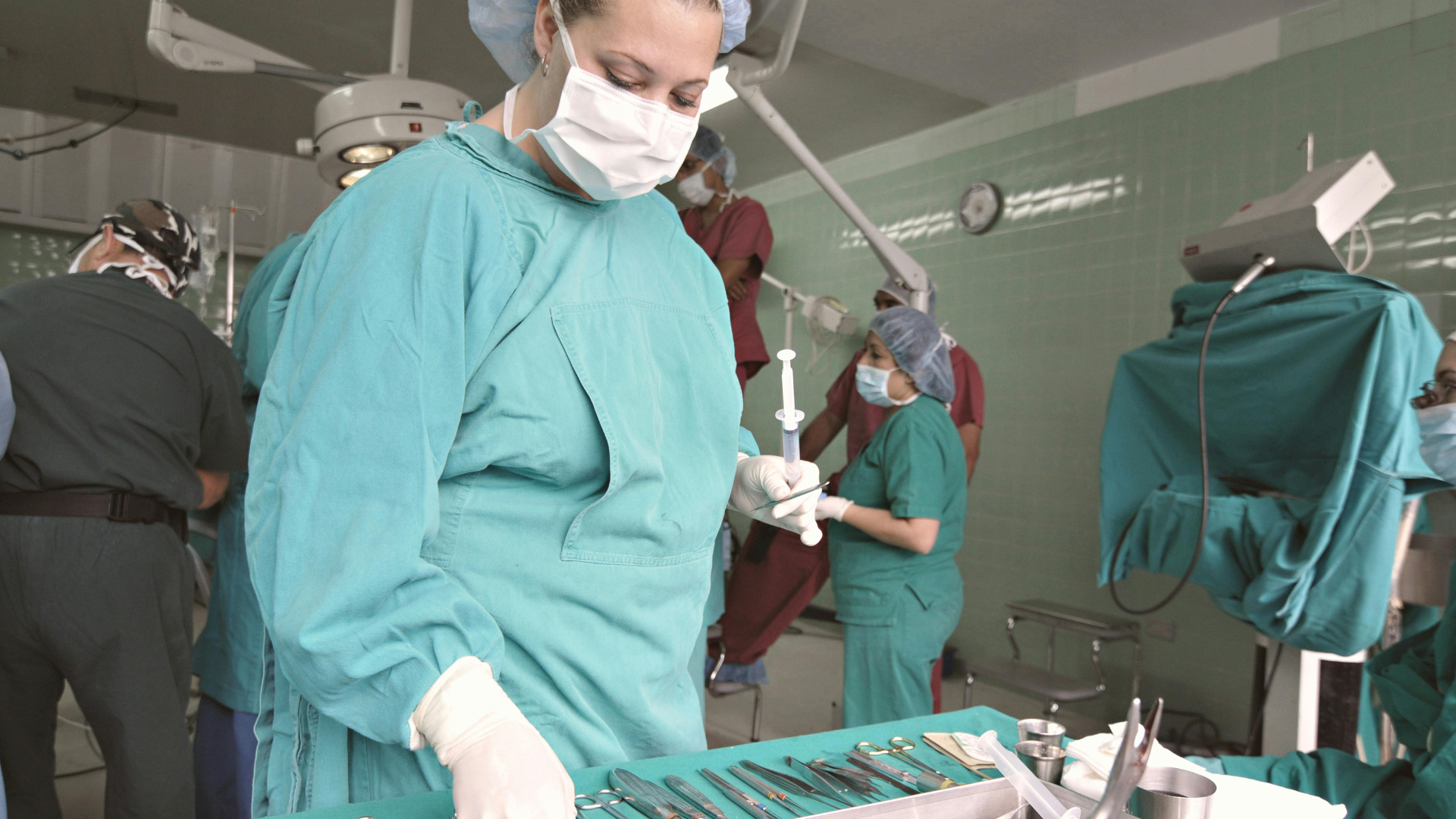
As a death investigator, coroner, or medical examiner, you may be the professional who raises the possibility of organ donation with a bereaved family. Not every bereaved individual will be open to organ donation, and the request must be made respectfully and without pressure.
Research shows that organ donation and the experience of helping another person can be a meaningful and positive experience for bereaved individuals when the request is made with care and sensitivity. Donor organs are especially scarce for children, because the size of an organ matters and there are relatively few size-matched deaths among younger children to provide enough livers, hearts, and lungs to meet the demand.
The Gift of Life Donor Program works closely with medical examiners and coroners nationwide to ensure successful outcomes for organ and tissue donations while simultaneously meeting forensic needs. That collaboration is considered a best practice by the National Association of Medical Examiners.
The request for organ donation should only be made by an individual specifically trained for this conversation. It should never be routine.
Caring for yourself
Taking care of yourself is fundamental to your work and to your long-term health. The effects of sustained exposure to stress, death, and trauma are not only psychological — they are physical. Sleep disruption, immune dysfunction, cardiovascular strain, and cumulative emotional fatigue are occupational realities in roles like yours. Practical steps matter.
Getting enough sleep, drinking water, moving your body, and spending time with people you care about are not small things. Reaching out to a mental health professional is not a sign of weakness. These are acts of professional maintenance. Caring for yourself makes you better able to do your work.

Reframe common questions
“How are you doing?” can be reframed as “How are you coping?” — which acknowledges the weight of what the person is carrying. It may be more helpful to say “I have been thinking of you” or to make a specific offer rather than a general one.
Do not ask how the person died
What matters is that they died, not how. Asking can force bereaved people to relive the most painful details of their experience.
Say the name
Using the name of the deceased acknowledges the importance of their life. Confirm pronunciation and ask whether there is a preferred name or nickname. Do not worry about reminding them — they are already thinking about it.
All deaths are not equivalent
Resist any urge to share your own experience of death or to compare one loss to another. Every experience of loss is different. If you have experienced a death yourself, you may offer a private moment to share — but be sensitive to the impact on both of you.
Bereavement lasts a long time
Bereaved people will not be feeling better in a few weeks, or even in a year. Adjusting to a significant loss takes years. Their lives are permanently changed.
It is their story, not yours
Being a consistent, non-judgmental presence — without redirecting attention to yourself — is one of the most valuable things you can offer.
Professional Resources
Resources
For grieving people and those who support them
10 Ways to Support
10 Ways to Support a Grieving Person
Bereavement 101
Find a space that suits you and your work.
Community Homepage
Information for professionals who serve bereaved people