Evermore Corps
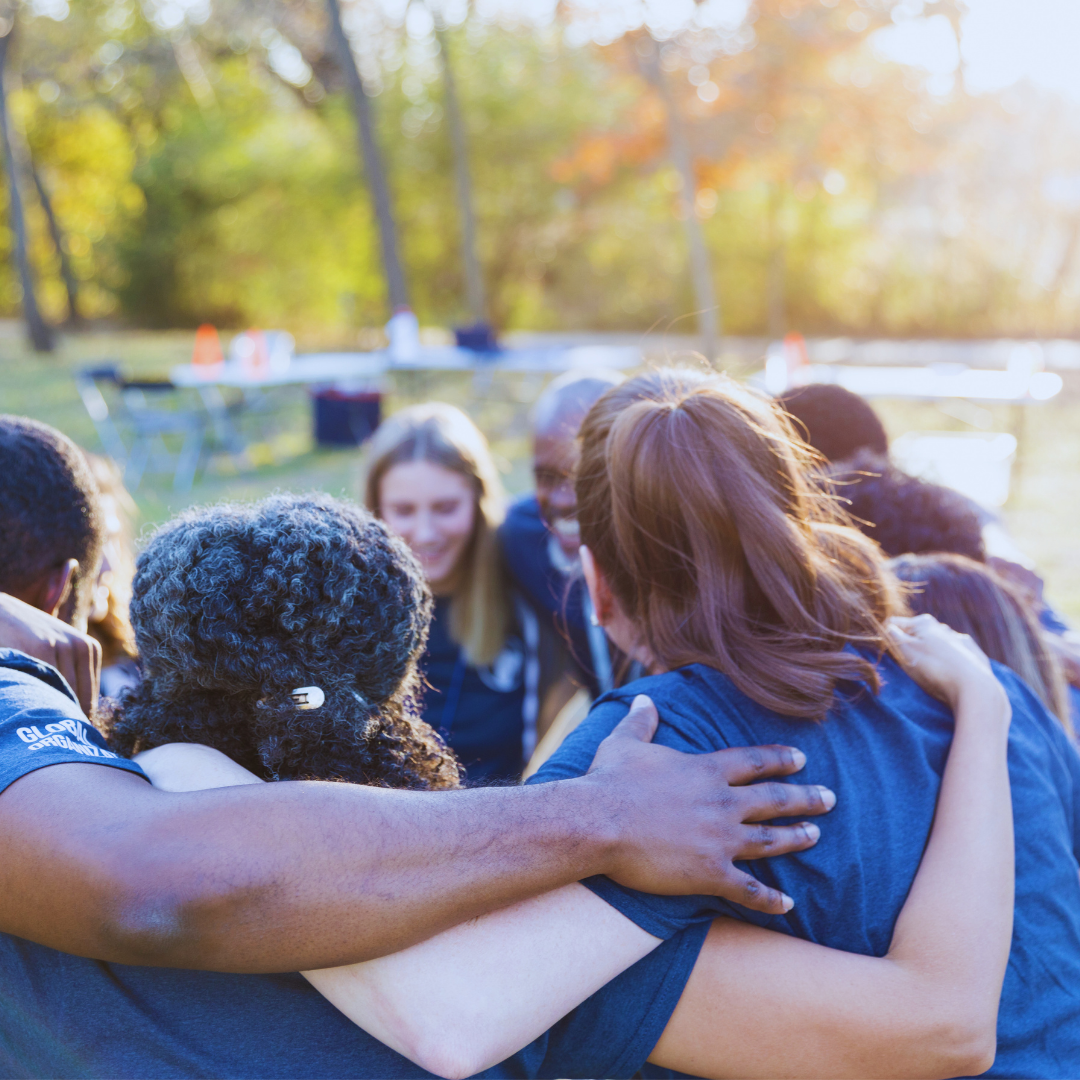
Fellows are committed to upholding Evermore’s values: Just, Respectful, Trustworthy, Evidence-informed, and Innovative. In return, Evermore commits to our Fellows with training, mentorship, and a growing community of support, so that together we build a tomorrow in which the lives of all people are made better.
First cohort applications are due on Friday, October 30, 2026, at 11:59 pm ET.
Who Should Apply
We believe that lasting change starts with ordinary people who decide to take responsibility in their communities. Often, it doesn’t come with titles, mandates, or perfect plans. These people are inspired by leaders who asked not what their country could do for them, but what they could do for their country— or by other voices who have reminded us that real change doesn’t come from slow or easy fixes. Social transformation comes when we take responsibility for the change we want to see in the world, and despite the odds, we take the mantle of leadership and move forward.
Evermore Corps is built on that same instinct — not just wanting the world to be more livable for ourselves, but for everyone. We don’t come from one voting bloc, one religion, or one ideology. We come from many places and points of view, but despite our differences and passionate beliefs, we come together under a common belief: that we see the promise and hope in tomorrow, and it is ours to help realize.
We hold onto a simple idea: tomorrow holds real promise, that divides can be bridged, and we believe in taking our share of responsibility for one another. We believe in a better tomorrow, and we are doing our part to shape a dignified and compassionate future for us all.
What is leadership?
Leadership is accepting responsibility for enabling others to achieve a shared purpose in the face of uncertainty.
We believe (and borrow) this definition of leadership from other great leaders. Leadership is not simply a title. Leadership may be the neighbor who organizes a meal train after a death on the block. It may be the manager who makes space for a grieving employee to take the time they need.
It may be the volunteer who starts a support group because none existed. Some Fellows may imagine a new tomorrow in their communities, while others help organize, advise, or sustain advancements behind the scenes.
We Believe
Corps is open to civic-minded individuals across sectors and people — healthcare, education, faith communities, nonprofits, government, caregivers, and the workplace — including those without formal titles or credentials. What matters is civic leadership — whether you already feel connected to your community or are ready to be, with the right support and encouragement — a willingness to be shaped by evidence, and alignment with Evermore’s five values:

Our first cohort will welcome 15–35 Fellows. A limited number of scholarships are available, prioritized by financial need or by alignment between a funder’s interests and a Fellow’s project or vision.
What Fellows commit to
Acceptance
Once accepted, Fellows are asked to complete pre-conference homework to make the most of our time together.
Intensive Training
Two full days of in-person intensive training in Washington, D.C. Come prepared to start at 8:30 am on Day 1, and wrap up at 4 pm on Day 2.
Virtual Meetings
After our intensive training, we’ll meet virtually monthly.
How It Works
Then: Evermore Fellow
Completing the program earns the title of Evermore Fellow. Fellows who stay engaged with the community keep their standing invitation to future Corps trainings and convenings, and some may be asked to mentor others. Long-term, we review Fellow status periodically to keep this a living, active community rather than an honorary list.
What Evermore Commits To
Beyond the training itself, Evermore commits to walking alongside Fellows for the full year: hands-on mentorship, structured feedback on your pilot project, and a community of peers doing similar work. Being open to feedback isn’t optional — it’s part of how this works. Fellows are expected to bring real ideas and stay genuinely open to input, from mentors and from each other.
Cost & Logistics
Is there a cost to participate?
Fellows are responsible for their own travel, meals, and lodging while in Washington, DC. A limited number of scholarships are available for those who need support — see below for details.
We’ve arranged a discounted room block for the training dates, and we encourage even Fellows local to DC to book a room — much of the connection and community-building happens during the entire program, not just in the training room. We’re also doing our best to keep food costs low for Fellows during our time together. Training and mentoring are provided to Fellows at no cost.
How do scholarships work?
Because scholarships are limited, we prioritize applicants based on financial need or where a funder’s interests align with a Fellow’s project or vision. If cost is a barrier, tell us in your application — it won’t be held against you.
Can I participate remotely if I can't make it to DC?
No. The in-person training is central to how Corps works — it’s where Fellows build the relationships and shared understanding that carry the program through the rest of the year. If travel is a barrier, please apply for a scholarship rather than planning around a remote option.
How should I prepare?
Complete your pre-work ahead of time and bring your sneakers — we won’t just be sitting in a conference room all day.
The Program
What is a "pilot project"?
Your pilot project is a chance to put Innovation — one of Evermore’s core values — into practice: what would better bereavement care look like for your people, your institution, your community, our society?
It’s less about arriving with a fully-built plan and more about a vision, grounded in evidence, of what you’d build, change, or try if you had the backing to do it. Over the course of the program, Corps helps you shape that vision into something real and actionable.
Who is eligible to apply?
Corps is open to civic-minded individuals across sectors — healthcare, education, faith communities, nonprofits, government, caregivers, and the workplace. You don’t need a formal title, credentials, or prior leadership experience. What matters is civic leadership — whether you’re already active in your community or ready to be — and alignment with Evermore’s values.
How much time does this really take, in total?
Plan on your pre-work (roughly 3–4 hours or more), two full days in DC, and up to 3 hours a month afterward for cohort meetings — not including time spent on your own project work in between.
What are my chances of being accepted?
Our first cohort is intentionally small — 15 to 35 Fellows. Since this is our first cohort, we don’t yet know how many people will apply. We’re looking for civic leadership — whether you’re already connected to your community or ready to be — a willingness to be shaped by evidence, and alignment with our values — not a polished resume.
What happens if I'm not selected?
We’ll let you know either way. Being turned down for this cohort doesn’t rule you out for future ones — we’d encourage you to stay connected and consider applying again.
What happens after the 12 months?
Fellows who complete the program and stay engaged with the community earn the title of Evermore Fellow, with a standing invitation to future Corps trainings and convenings.
Can I apply if I already have an idea I want funded?
Corps isn’t a grant program, and completing it doesn’t come with project funding. It’s a training and mentorship experience to help you shape and pressure-test your thinking — some Fellows may go on to pursue funding elsewhere, including, in some cases, alignment with Evermore funders.